Jobber's lowest published price is $29 per month on annual billing for the Core plan, which covers one user. Its four plans, Core, Connect, Grow, and Plus, scale by team size from one user up to fifteen, with monthly rates reaching $699 for the largest Plus tier.
That entry price is easy to remember and easy to misread. A solo pressure washer can access Core at the annual rate, but a business adding an office manager moves into a different user band, while payment processing and optional tools can add variable or recurring costs beyond the subscription. The practical question in jobber pricing isn't simply which plan is cheapest. It's where the total spend lands for the crew, trade, and payment volume.
Jobber Pricing at a Glance
Jobber publishes four plans: Core, Connect, Grow, and Plus. The published range runs from $29 per month on annual billing for Core to $699 per month on monthly billing for Plus, with user limits attached to each tier. Jobber's pricing page lists Core as a single-user plan, while Connect, Grow, and Plus use defined team bands.
That structure makes team size the first pricing variable. A business doesn't just select a feature tier and add seats one at a time. It moves between user bands, so hiring one dispatcher or technician can change the subscription category even when the workflow itself hasn't changed.
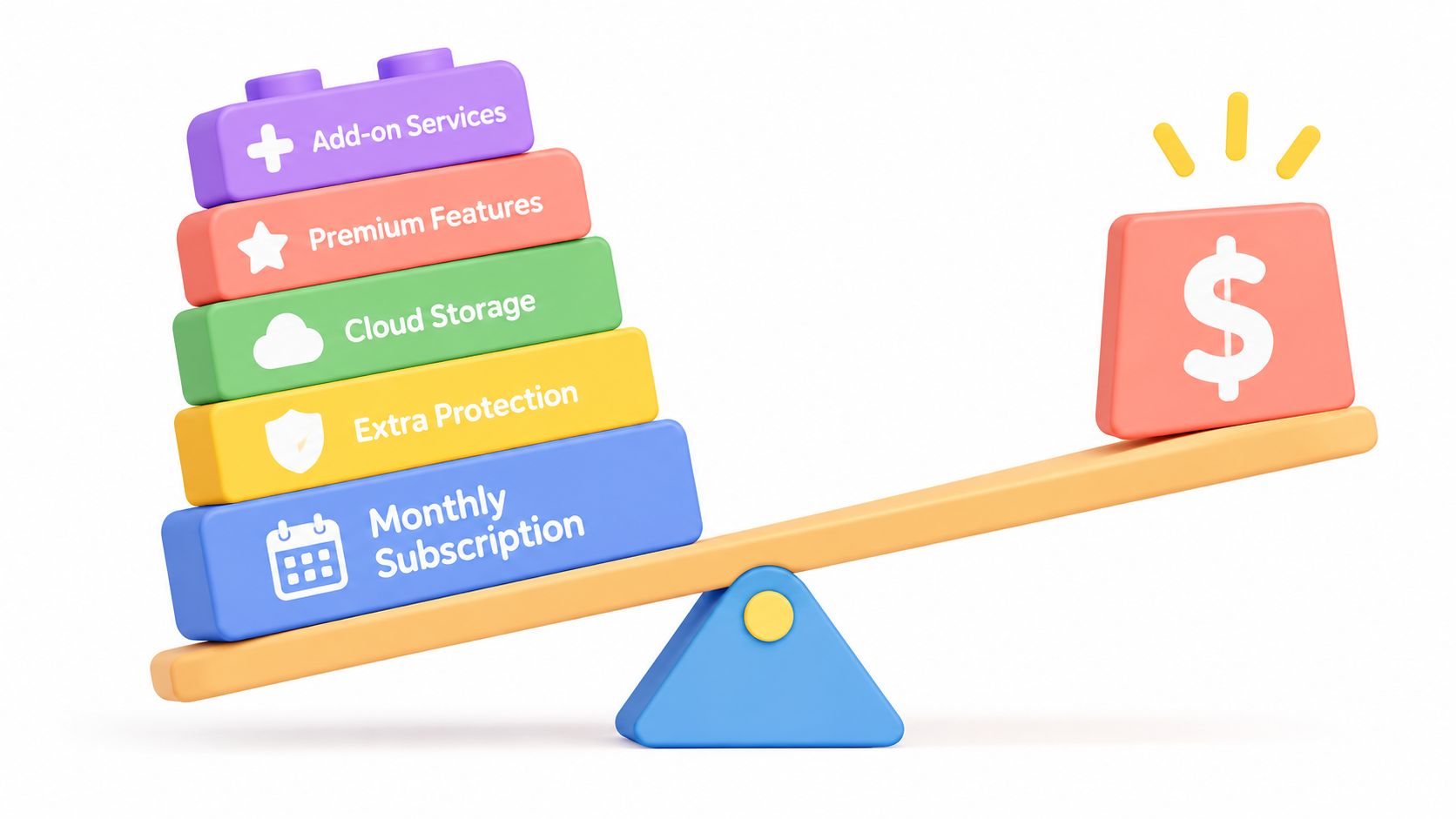
Three separate cost layers deserve attention:
- Subscription: The fixed monthly or annual plan charge depends on the selected tier and included user band.
- Payments: Jobber Payments has no setup or monthly fee, but card and ACH transaction charges apply. Jobber's published pricing information lists 2.9% plus $0.30 per card transaction and 1% per ACH transfer.
- Add-ons: AI Receptionist and Marketing Suite can sit outside the base subscription. Third-party software coverage identifies them at $99 per month and $79 per month, respectively, while the same capabilities may be bundled into Plus. The supporting pricing review also explains why payment economics should be assessed alongside the subscription.
Practical rule: The advertised plan price is the starting line. A buyer should calculate the user band, payment volume, and required add-ons before comparing Jobber with another field-service platform.
Core Plan for Solo Operators
Core is restricted to one user, which makes it a direct fit for a solo pressure washer, handyman, cleaner, or technician who handles field work and administration alone. Jobber's pricing page, read on September 25, 2026, lists Core at $49 per month on monthly billing or $29 per month on an annual plan. The Core pricing details are published by Jobber.
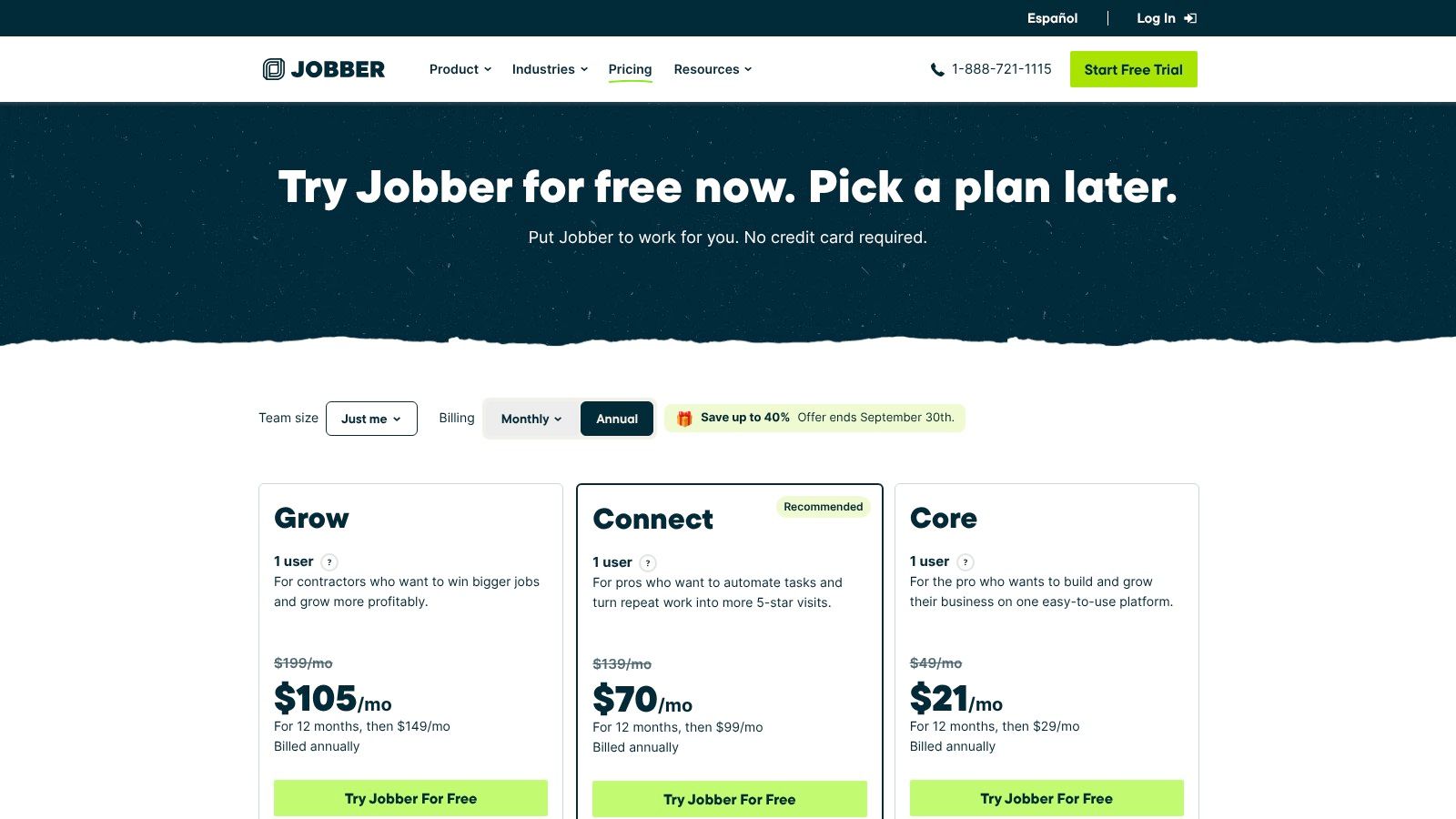
The plan covers the basic administrative cycle. Jobber positions Core around quoting, scheduling, invoicing, the client hub, and Jobber Payments, giving a one-person operation a way to manage customer work without moving immediately into a team subscription. The $29 figure is the price behind the widely searched “starting at $29 per month” message, but it only applies to the annual Core arrangement for one user.
What Core leaves out
The entry tier doesn't include several tools that become relevant once a business has a steady flow of leads or a second person handling customer communication. Core omits two-way text messaging, automated reminders, and online booking, features associated with higher plans.
That distinction matters more than the headline discount. A solo electrician who only needs quotes, schedules, invoices, and a client-facing portal may find Core's scope sufficient. A solo cleaner with recurring appointments may care more about automated communication, while a growing handyman operation may need another person to access the account.
Core therefore works best when the business expects to remain a one-user operation for the billing period. It isn't a team plan at a lower price. Once another employee, estimator, or office manager needs access, the relevant comparison shifts to Connect's user bands rather than the Core price.
Connect Plan Pricing by Team Size
Connect is Jobber's first team-oriented tier, but its price depends on the number of users selected. The pricing page, read on September 25, 2026, publishes four monthly and annual bands:
| Team size | Monthly billing | Annual billing, per month |
|---|---|---|
| One user | $139 | $99 |
| Two to five users | $199 | $149 |
| Six to ten users | $299 | $229 |
| Eleven to fifteen users | $399 | $299 |
Jobber publishes these Connect bands on its pricing page. The move from one user to the two-to-five band adds $60 per month on monthly billing, which is the most important early scaling step in the tier.
That jump changes the economics of a small shop hiring its first office manager. A two-person cleaning company doesn't pay only for one added login. It moves from the one-user Connect band to the two-to-five band, so the added access carries a larger fixed subscription step.
What Connect adds
Connect expands the basic workflow with two-way SMS, automated follow-ups, online booking, and reporting. Those functions have a practical role for small HVAC businesses, lawn-care operators, and cleaning companies that need to keep customers informed without having every message handled manually.
The plan remains a structured tier rather than a sliding seat model. The six-to-ten and eleven-to-fifteen bands provide more room for field staff and office access, but the business pays according to the applicable band. Jobber publishes no extra-seat price on its pricing page, so the published model should be read as fixed user groups rather than a base plan plus individually priced seats.
Connect is most relevant when customer communication becomes part of the operating workload. A two-person plumbing business that wins work mainly through referrals may use only part of the automation scope. A recurring lawn-care company or cleaning service that books online and sends frequent appointment updates has a clearer reason to examine the tier's added functions.
Grow Plan Pricing by Team Size
Grow uses the same team-size logic as Connect but adds sales, retention, and marketing tools. Jobber's pricing page, read on September 25, 2026, lists these Grow bands:
| Team size | Monthly billing | Annual billing, per month |
|---|---|---|
| One user | $199 | $149 |
| Two to five users | $299 | $229 |
| Six to ten users | $399 | $299 |
| Eleven to fifteen users | $499 | $399 |
The published Grow structure shows why the plan should be compared by both user count and operating need. The one-user rate is substantially above Core, so a solo business shouldn't move to Grow merely because it wants a broader feature list. The plan becomes more meaningful when customer acquisition and repeat business justify the higher tier.
The feature difference from Connect
Grow adds automated review requests, referral tracking, lead management, and marketing email tools. Those features address a different problem from Connect's scheduling and communication focus. Connect helps a team manage customer interactions. Grow adds tools for turning completed jobs into reviews, referrals, and future demand.
A lawn-care company serving a large recurring customer base may place more value on automated review requests and referral tracking than a small plumbing shop that closes work through existing relationships. An HVAC company trying to build maintenance relationships may also care about lead management and email follow-up, especially when several staff members share responsibility for sales.
The price difference should be judged against actual use. If the business doesn't have a repeatable process for requesting reviews, tracking referrals, or managing leads, Grow can become an expensive feature shelf. If those activities already occupy staff time, the higher tier may consolidate work that would otherwise require separate tools.
Grow's user bands also make timing important. A business approaching the six-to-ten band should compare the annual and monthly figures against expected hiring plans rather than choosing based only on today's headcount. The relevant cost is the band the company is likely to occupy during the subscription period.
Plus Plan and the Sixteen-User Ceiling
Plus is Jobber's highest published plan and starts at five users, so it isn't designed as an entry point for a solo operator or a two-person crew. Jobber's pricing page, read on September 25, 2026, lists these published Plus bands:
| Team size | Monthly billing | Annual billing, per month |
|---|---|---|
| Five to ten users | $499 | $399 |
| Eleven to fifteen users | $599 | $449 |
| Sixteen to twenty users | $699 | $529 |
The published page also directs businesses at sixteen or more people to contact sales rather than presenting a standard self-serve price. Jobber's Plus pricing and sales direction make the ceiling clear, even though the page doesn't disclose enterprise pricing beyond the published bands.
Plus bundles capabilities that lower tiers either omit or sell separately, including AI Receptionist, priority support, a dedicated account manager, and advanced workflow automation. That package can matter to a larger electrical or HVAC operation with dispatch, office, and field roles, where support access and automation affect more than one person's daily workload.
Jobber publishes no per-seat add-on price for any plan. The pricing model uses fixed user bands, and the published information doesn't provide a sliding seat charge for a business that sits between or above those bands.
The change in the Plus price is also significant. The monthly rate for the fifteen-user level rose from $599 to $699, a 16.7% increase, in the mid-2026 repricing. The same repricing tightened the relationship between price and included users in the Connect and Grow structures. The published repricing analysis places that change in the broader history of Jobber's seat structure.
Full Jobber Pricing Matrix Across All Plans
The table below puts the published bands in one place. Annual figures are the effective monthly amounts when billed annually, while monthly figures represent month-to-month billing. Jobber publishes no separate per-seat add-on price, so each row should be treated as a fixed user band.
| Plan | Users included | Monthly billing | Annual billing, per month |
|---|---|---|---|
| Core | One | $49 | $29 |
| Connect | One | $139 | $99 |
| Connect | Two to five | $199 | $149 |
| Connect | Six to ten | $299 | $229 |
| Connect | Eleven to fifteen | $399 | $299 |
| Grow | One | $199 | $149 |
| Grow | Two to five | $299 | $229 |
| Grow | Six to ten | $399 | $299 |
| Grow | Eleven to fifteen | $499 | $399 |
| Plus | Five to ten | $499 | $399 |
| Plus | Eleven to fifteen | $599 | $449 |
| Plus | Sixteen to twenty | $699 | $529 |
| Any plan | Sixteen or more | Contact sales | Contact sales |
The matrix shows two separate decisions. First, the business selects the feature tier. Second, it selects the team band within that tier. A plan that appears affordable for one user can become a materially different budget line after a small team is added.
Jobber Payments Rates and What They Cost in Practice
Jobber Payments has no setup fee and no monthly fee, but transaction charges apply. Jobber publishes 2.9% plus $0.30 per card transaction and 1% per ACH transfer on its pricing information. Jobber's payment rates should be treated as a variable operating cost rather than part of the fixed plan price.
For a plumbing company processing $15,000 per month in card payments, the percentage component is about $435 before any subscription cost. That figure comes from the 2.9% rate applied to the monthly card volume. The fixed $0.30 component then applies to each card transaction, so the final amount depends on transaction count.
ACH produces a different result at the same volume. At 1%, $15,000 in ACH transfers generates $150 in transaction fees. The difference makes payment method part of the pricing decision for recurring invoices, deposits, and progress billing.
Payment planning: A business should model card volume and transaction count separately. A high-value invoice may create one fixed transaction charge, while many smaller invoices create the same percentage cost plus repeated fixed charges.
Payment fees can therefore exceed the software subscription for payment-heavy trades. A small HVAC company may focus on the Connect band when comparing vendors, yet the monthly payment line can become the larger expense once customers regularly pay by card. ACH may reduce the variable cost where customers accept bank transfers, but the business still needs to confirm which payment methods suit its customers and collection process.
Add-Ons That Raise the Monthly Total
The base plan doesn't always represent the operating configuration a home-service company wants. AI Receptionist and Marketing Suite are identified as separately priced Jobber add-ons, with third-party coverage listing $99 per month for AI Receptionist and $79 per month for Marketing Suite. The published pricing context and add-on discussion places those tools alongside the base plans, while Plus bundles comparable capabilities.
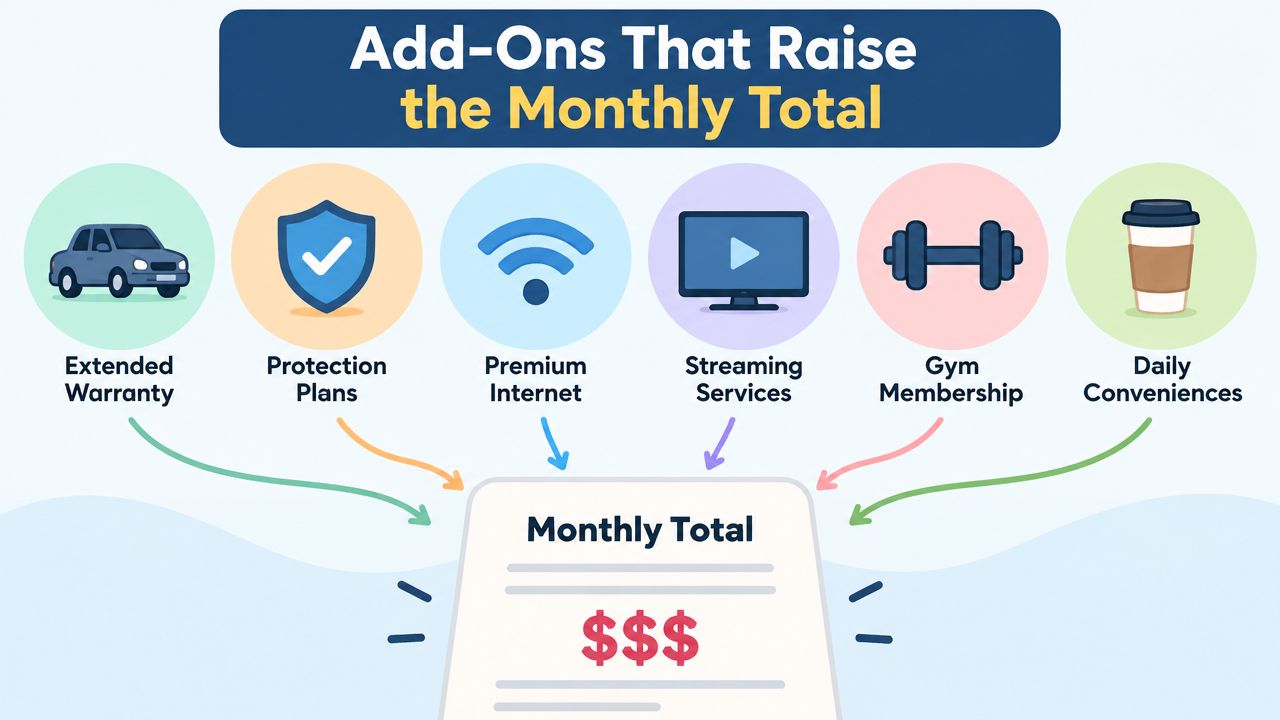
Consider an HVAC company in the Connect two-to-five-user band. Its headline monthly subscription is $199, but adding AI Receptionist and Marketing Suite would add $178 in recurring monthly charges, producing a base-plus-add-on total of $377 per month before payment fees. The add-on figures are reported in the supporting review coverage.
That comparison changes the way Plus should be assessed. A Connect subscriber using both add-ons may approach the cost of a higher plan that bundles related capabilities, even if the base Connect card looks much cheaper. The right comparison is not Connect versus Plus by subscription alone. It's Connect with required add-ons versus Plus with included tools.
Before signing, a buyer should confirm:
- Plan inclusion: Which AI and marketing capabilities are included in the specific plan selected?
- Feature boundaries: Does the bundle cover the exact workflow, or only a related version of it?
- Billing treatment: Are add-ons billed monthly, annually, or under separate terms?
- Sales confirmation: Does Jobber offer any bundle treatment that differs from the public plan display?
The answer can vary by configuration, so a plumbing, HVAC, or cleaning company should get the final package and recurring charges in writing.
Annual vs Monthly Billing, Trials, and Cancellation
Annual billing lowers the effective monthly rate across Jobber's published plans. Core moves from $49 monthly to $29 per month billed annually, while Connect's one-user band moves from $139 to $99. Jobber's published annual and monthly pricing shows that the annual option changes the cash-flow commitment, not just the displayed monthly number.
The supplied published pricing information doesn't establish a trial duration, payment-card requirement, or a complete post-cancellation data policy. It also doesn't provide enough detail here about export formats, access after cancellation, or switching plans during a contract.
That leaves several questions for a buyer to confirm directly with Jobber:
- Is the trial available on the intended plan or only on a selected tier?
- Does annual billing require payment for the full commitment up front?
- Can the account change plans during the billing period?
- Which customer, job, invoice, and payment records can be exported after cancellation?
- How long does account access remain available after the subscription ends?
Contract safeguard: An owner should request the cancellation, plan-change, and data-export terms in writing before accepting an annual commitment.
The annual rate can be attractive for a stable solo business or established crew, but a new company may value flexibility more than the lower effective monthly figure. The choice depends on expected headcount, cash reserves, and confidence that the selected user band will remain suitable.
Which Jobber Plan Fits Each Crew Size and Trade
Core fits a one-person operation that needs quoting, scheduling, invoicing, a client hub, and payment acceptance. A solo pressure washer, handyman, pest-control operator, cleaner, or painter can assess the plan against the actual need for automated communication. If the business needs only basic administration and expects to remain solo, the single-user structure is clear.
Connect makes more sense for two-to-five-person crews that need shared access and stronger customer communication. Cleaning companies can use online booking and follow-ups, while lawn-care teams may value scheduled customer updates and reporting. A two-person plumbing shop should pay particular attention to the jump between Connect's one-user and two-to-five-user bands before adding an office manager.
Grow suits businesses that treat reviews, referrals, and lead management as regular sales work. HVAC, plumbing, landscaping, and pest-control companies with repeat customers may gain more from review requests and referral tracking than a small contractor that relies almost entirely on word of mouth. The upgrade should follow a real process, not a hope that adding tools will create one.
Plus is aimed at larger teams approaching the published ceiling. An electrical or HVAC company with field staff, dispatch, and office administration may value priority support, a dedicated account manager, and bundled automation. At sixteen or more people, Jobber directs the buyer to contact sales, so a growing company should ask for a future team-size quote before committing to a plan that may soon become unsuitable.
Smaller operators should also compare the cost against narrower software. A solo cleaner who only needs invoicing and scheduling may consider Core's monthly rate high relative to a lighter tool, even though Core includes more than those two functions. The decision should focus on whether the extra client and workflow features will be used, not whether the plan contains them.
Frequently Asked Questions about Jobber Pricing
Does Jobber charge per user on top of the plan price?
Jobber publishes fixed user bands rather than a separate per-seat add-on price. Core covers one user, while Connect and Grow use multiple published team bands, and Plus starts at five users. Businesses reaching sixteen or more people are directed to contact sales instead of receiving a public self-serve price.
Is the $29 per month price available to teams?
No. The $29 per month figure is Core's annual-billing rate for one user, as published on Jobber's pricing page. It isn't a team rate. A business adding another user needs to compare the applicable Connect, Grow, or Plus band.
Can a business switch plans mid-contract?
The available published information doesn't establish a complete rule for switching plans during a contract. A buyer should ask Jobber whether an upgrade or downgrade takes effect immediately, how unused billing is handled, and whether the user band can change during an annual term. Those terms should be confirmed in writing before the contract begins.
What payment methods does Jobber accept for its own subscription billing?
The available published information doesn't specify every payment method Jobber accepts for subscription billing. Buyers should confirm accepted billing methods with Jobber before subscribing, especially when choosing annual billing. That question is separate from customer payment acceptance through Jobber Payments, which carries the transaction charges described above.
The most useful Jobber pricing comparison is therefore a crew-specific budget. A solo operator should start with the single-user annual or monthly Core figure, a small team should price its exact Connect or Grow band, and any business collecting substantial card volume should add payment costs before comparing alternatives.
Before selecting a plan, list every person who needs access, estimate monthly card and ACH volume, and identify whether AI Receptionist or Marketing Suite is essential. Then ask Jobber for the complete recurring total, plan-change rules, and data-export terms in writing, so the chosen subscription reflects the actual operation rather than the lowest advertised entry price.